
What is Emotional Intelligence
Emotional intelligence is the ability to recognise, understand, and manage your own emotions while also being aware of and influencing the emotions of others. By developing and using our EQ we can:
- Navigate workplace conflicts with empathy
- Build stronger, trust-based relationships
- Communicate more clearly and effectively
- Stay calm and focused under pressure
Engaging in emotional intelligence activities isn’t just about personal growth; it’s a game-changer for team performance too. When you actively work on enhancing your emotional quotient (EQ), you’re investing in a workplace culture that thrives on effective communication, empathy, and resilience.
In today’s fast-paced business world, technical skills alone aren’t enough. Teams need to understand one another, adapt to challenges, and support each other through change. That’s where emotional intelligence comes in.
The Impact on Team Dynamics
When a team works on emotional intelligence together, collaboration improves, misunderstandings decrease, and morale rises. This creates a more supportive, adaptable, and high-performing work environment.
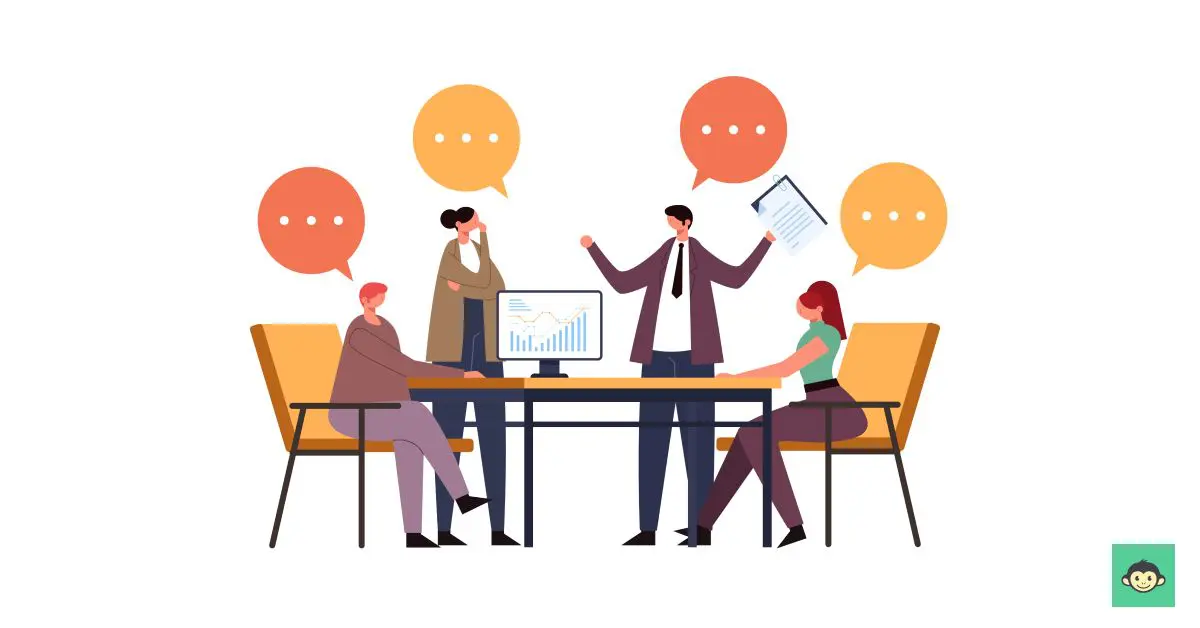
Imagine a team where everyone feels heard, respected, and valued. That is the power of EQ in action. We can all build and develop our EQ and there are a variety of emotional intelligence exercises aimed at boosting social awareness, self-awareness, enhancing empathy, improving communication, and managing stress among team members.
Here are 5 Emotional Intelligence Activities for workplace meetings
- Active Listening Practice: Partner up and repeat back what the other person has said before responding. Practice summarising at the end of meetings.
- Colleague Appreciation: Start team meetings with each person sharing one thing they are grateful for that a colleague has done. This can also be done as Strength Spotting at the end of a meeting to note individuals’ contributions to the meeting and value added.
- Role Reversal Exercises: Swap roles in a mock scenario or for a morning’s work to better understand each other’s perspectives and pressures.
- Non-Verbal Communication Awareness: Practice reading body language cues during team discussions and check in with colleagues afterwards about how they were feeling in the meeting.
- Scenario Problem-Solving: Work in small groups to solve fictional but realistic workplace challenges.
Get Started Today
Whether you’re a team leader or an individual contributor, these activities can spark meaningful change in how your team communicates and connects. They can be fun to do but also have a meaningful impact. The result is a more connected, resilient, and high-performing workplace.
Why Great Leaders Know When to Step Back

The Hogan Assessments: A Short History, Smart Uses, and Why They’re (Mostly) Rock-Solid